On Site Caravans For Sale Victoria: A Comprehensive Guide
Introduction
In the heart of Australia’s diverse landscape, Victoria stands out as a hub for innovative housing solutions, with a particular focus on on-site caravans—a unique approach to living that blends portability and permanence. This article delves into the world of on-site caravans for sale in Victoria, exploring their definition, global impact, economic considerations, technological advancements, regulatory landscape, challenges, case studies, and future prospects. By the end, readers will have a comprehensive understanding of this dynamic sector and its potential to revolutionize living spaces.
Understanding On Site Caravans For Sale Victoria
Definition and Core Components
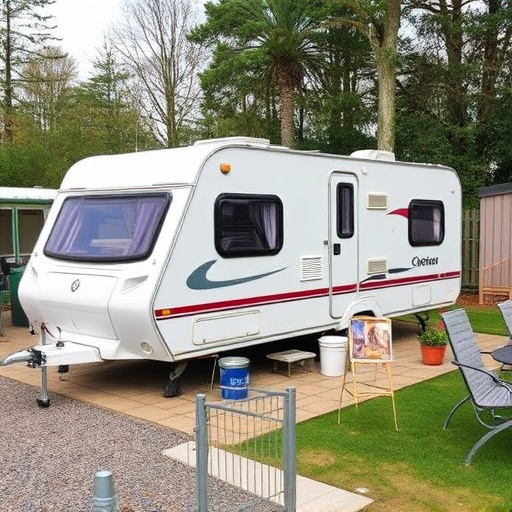
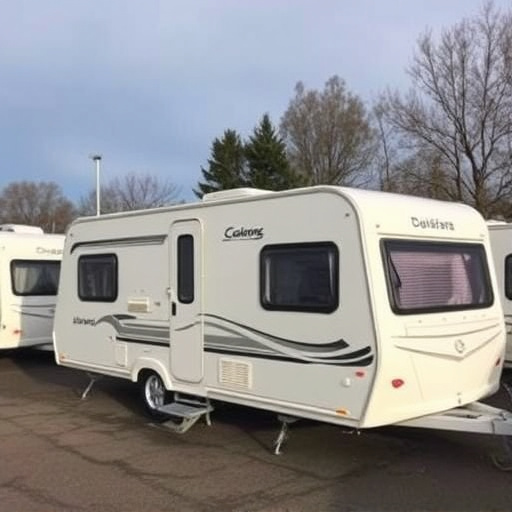
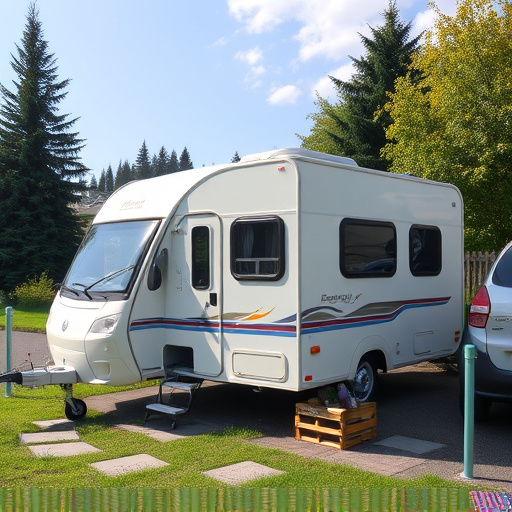
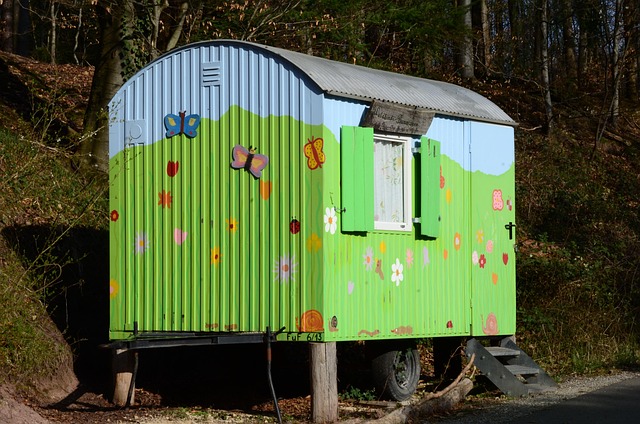
On-site caravans for sale in Victoria refer to customizable, mobile dwellings designed to be permanently installed on a specific piece of land. These caravans offer a blend of traditional camping experiences with the amenities of home. Key components include:
Caravan Structure: A self-contained unit with living areas, bedrooms, kitchens, and sometimes multiple levels.
Installation Site: Land designated for the caravan, often in rural or suburban areas, which may require preparation for stability and utility connections.
Utilities and Connections: Water, electricity, and septic systems integrated into the caravan and site to ensure year-round comfort.
Portability: While permanently installed, these caravans can be moved if necessary, providing flexibility.
Historical Context
The concept of on-site caravans gained traction in Victoria during the mid-20th century as a response to housing shortages and changing lifestyles. Originally popular among travelers and retirees, it has evolved into a viable option for permanent residents seeking affordable, flexible living solutions. Today, with technological advancements and evolving regulations, on-site caravans are increasingly recognized as a legitimate housing alternative.
Significance and Broader Landscape
Victoria’s unique terrain and diverse population make on-site caravans an attractive solution. They offer:
Affordability: Lower initial costs compared to traditional housing, making them accessible to a broader range of buyers.
Flexibility: The ability to customize and adapt the caravan to individual needs and preferences.
Sustainability: Many on-site caravans incorporate eco-friendly features, promoting sustainable living.
Community Building: On-site caravan parks foster a sense of community among residents, enhancing social connections.
Global Impact and Trends
International Influence
On-site caravans have gained global recognition as innovative housing solutions, with Victoria serving as a notable example. Key international influences include:
Scandinavian Countries: Known for their modern design and focus on sustainability, these countries have influenced the aesthetic and eco-friendly aspects of on-site caravans.
United States and Canada: With a strong RV (recreational vehicle) culture, these regions contribute advanced technologies and larger caravan models.
Europe: European countries offer diverse legal frameworks and cultural preferences that shape the development of on-site caravans.
Key Global Trends
Sustainability Focus: Increasing adoption of eco-friendly materials, energy-efficient systems, and renewable energy sources.
Customization and Modular Design: Allowing residents to personalize their caravans to meet specific needs and tastes.
Urbanization of Caravans: Growing acceptance of caravans in urban settings, with some cities offering designated caravan parks.
Digital Integration: Incorporation of smart home technologies for enhanced comfort, security, and energy management.
Regional Variations
Different regions worldwide have unique approaches to on-site caravans:
Technological advancements have transformed the on-site caravan industry:
Smart Home Systems: Integration of IoT (Internet of Things) devices for automated lighting, temperature control, and security monitoring.
Solar Energy Solutions: Efficient solar panels and battery storage systems enable off-grid living and energy independence.
Modular Construction Techniques: Pre-fabricated components and advanced building materials reduce construction time and costs.
Connectivity and Communication: High-speed internet connectivity options and satellite communication enhance remote living experiences.
Future Potential
Upcoming technologies will further revolutionize on-site caravans:
Artificial Intelligence (AI): AI-powered energy management systems can optimize resource usage, while AI assistants can automate daily tasks.
Autonomous Vehicles: Integration with autonomous driving technology could enable smart transportation and mobility for on-site caravan owners.
Augmented Reality (AR) and Virtual Reality (VR): AR/VR applications could enhance remote viewing, design customization, and virtual tours.
3D Printing: 3D printing may revolutionize construction, allowing for personalized designs and efficient, cost-effective building processes.
Policy and Regulation
Key Policies and Regulations
Victoria’s regulatory framework for on-site caravans includes:
Planning Permits: Local councils issue planning permits for the installation of on-site caravans, ensuring compliance with zoning regulations.
Building Codes: Victoria’s Building Act 1993 sets standards for construction, safety, and accessibility.
Environmental Regulations: The Environment Protection Authority (EPA) regulates the environmental impact of caravan installations, especially in sensitive areas.
Utility Connections: Local water, electricity, and sewerage authorities oversee connections and ensure utility services meet regulatory standards.
Legislative Frameworks and Their Influence
These policies shape the industry:
Supportive Policies: Victoria’s government encourages innovative housing solutions, providing incentives and grants for on-site caravan installations.
Zoning Laws: Zoning regulations determine suitable locations for on-site caravans, balancing residential needs with land use planning.
Health and Safety Standards: Regulatory bodies ensure the safety of on-site caravans, covering structural integrity, fire safety, and accessibility.
Environmental Protection: Strict environmental laws protect Victoria’s natural resources, guiding responsible development and waste management practices.
Challenges and Criticisms
Main Challenges
Despite its benefits, the on-site caravan industry faces several challenges:
Site Availability: Limited suitable land for installations, especially in urban areas, drives up costs and competition.
Regulatory Burdens: Navigating diverse and sometimes complex regulations can be time-consuming and costly.
Perception and Social Stigma: Some communities view on-site caravans negatively, leading to social and neighborhood conflicts.
Utility Infrastructure: Inadequate or outdated utility infrastructure may hinder connections and increase installation costs.
Criticisms and Actionable Solutions
Criticisms include:
Lack of Standardization: Variations in regulations across councils create uncertainty and complexity for developers and buyers. Solution: A standardized regulatory framework with clear guidelines.
Environmental Concerns: Potential environmental impact, especially in ecologically sensitive areas. Solution: Stricter environmental assessments and sustainable building practices.
Social Integration: On-site caravan parks may struggle with social integration and community building. Solution: Encouraging community engagement initiatives and providing shared spaces.
Case Studies
Case Study 1: The Riverfront Retreat
Location: Rural Victoria, along a scenic river.
Overview: A private on-site caravan park developed on a 50-acre site offers luxurious living with easy access to outdoor recreation.
Key Features:
Customizable, high-end caravans with modern amenities.
On-site renewable energy systems and water recycling.
Community garden and shared recreational facilities.
Strict environmental guidelines for construction and operation.
Outcomes:
High occupancy rates due to desirable location and unique amenities.
Positive community feedback and strong social connections among residents.
Reduced environmental impact, setting a benchmark for sustainable development.
Case Study 2: Urban Caravanning in Melbourne
Location: Inner-city Melbourne, within walking distance of downtown attractions.
Overview: A small, urban on-site caravan park caters to young professionals and travelers seeking affordable, convenient living.
Key Features:
Compact, modular caravans designed for city living.
Smart home technology and high-speed internet connectivity.
Shared lounge areas and community events foster social interaction.
Flexible lease options cater to short-term stays and remote workers.
Outcomes:
Increased affordability in the inner-city housing market.
Growing popularity among digital nomads and remote workers.
Enhanced urban mobility with easy access to public transport.
Successful integration of on-site caravans into dense urban fabric.
Future Prospects
Potential Growth Areas
The future of on-site caravans in Victoria looks promising:
Urban Expansion: Increasing demand for affordable housing in cities like Melbourne may lead to more urban on-site caravan parks.
Sustainable Living: Growing environmental awareness will drive the adoption of eco-friendly technologies and designs.
Technological Integration: Advanced smart home systems, renewable energy solutions, and modular construction will become standard features.
Customizable Designs: Personalized caravans catering to diverse lifestyles and preferences will gain popularity.
Emerging Trends
Upcoming trends include:
Micro-Homes on Wheels: Compact, off-grid micro-homes that offer maximum flexibility and minimal environmental impact.
Caravan Co-Living Spaces: Shared living arrangements where residents pool resources, reduce costs, and foster community connections.
Digital Nomad Hubs: On-site caravan parks specifically designed for digital nomads, offering high-speed internet, co-working spaces, and social events.
Hybrid Models: Combining on-site caravans with traditional housing, providing flexible living solutions for diverse needs.
Strategic Considerations
To capitalize on these trends:
Collaborate with Tech Companies: Partner with tech firms to integrate cutting-edge smart home technologies and renewable energy solutions.
Focus on Sustainability: Develop eco-friendly parks that attract environmentally conscious buyers and tenants.
Community Building Initiatives: Organize social events, workshops, and shared amenities to foster a strong sense of community.
Regulatory Advocacy: Work with local governments to streamline regulations and promote supportive policies for on-site caravans.
Conclusion
On-site caravans for sale in Victoria represent a dynamic and evolving housing segment that offers unique solutions to diverse living needs. By addressing challenges, embracing technological advancements, and navigating regulatory landscapes, the industry can unlock its full potential. As Victoria continues to innovate and adapt, on-site caravans are poised to play an increasingly significant role in shaping the state’s housing future, providing affordable, flexible, and sustainable living options for all.
FAQ Section
1. What is the difference between a static caravan and an on-site caravan?
A static caravan is designed to be a permanent dwelling, typically connected to utilities and fixed in one location. On-site caravans, in contrast, are mobile dwellings that can be installed on land but are not permanently affixed, allowing for greater flexibility in terms of movement and relocation.
2. Are there any restrictions on where I can install an on-site caravan in Victoria?
Yes, planning permits and zoning regulations dictate suitable locations. Local councils review applications based on factors like land suitability, proximity to amenities, and environmental impact. It’s essential to consult with relevant authorities before installation.
3. How do I ensure the structural integrity of my on-site caravan?
Regular maintenance and adherence to building codes are crucial. Check for signs of damage, especially after severe weather events, and conduct routine inspections. Professional engineers can also provide assessments to ensure compliance with structural requirements.
4. Can I customize an on-site caravan to meet my specific needs?
Absolutely! Many manufacturers offer customization options, allowing you to choose floor plans, finishes, and additional features. Working closely with a reputable dealer ensures your vision is realized while adhering to building regulations.
5. How do I go about connecting utilities to my on-site caravan?
Utility connections require coordination with local water, electricity, and sewerage authorities. They provide guidance on available infrastructure and necessary permits. It’s essential to ensure proper connections for safe and efficient operation of your caravan.
Before buying an On Site Caravan for sale in Victoria, define your needs (family size, trip type) and desired features (storage, technology). Trusted dealers like Off Track RV offer a wide range of models from lightweight trailers to robust off-…….
Looking for the perfect On Site Caravans For Sale Victoria? Define your priorities based on travel group size, trip duration, and terrain. Off Track RV – Caravan Sales Victoria guides you through a diverse range of models from renowned brands, c…….
For adventurous travelers seeking off-grid exploration, Off Track RV offers specialized RVs designed for rugged terrains and remote destinations. Located in Epping VIC, they provide an extensive inventory of high-quality caravans, combining comf…….
Off Track RV, located at 21 Graystone Ct, Epping VIC 3076, offers a diverse range of modern and family-friendly On Site Caravans for sale in Victoria. With models catering to various adventure preferences and budgets, their knowledgeable staff a…….
Unleash your adventurous spirit with On Site Caravans For Sale Victoria, offering immersive experiences and portable homes ready for unforgettable journeys. With a wide range of models from compact to spacious, Off Track RV – Caravan Sales Victo…….
Caravan water systems in On Site Caravans For Sale Victoria require regular maintenance and expert care for optimal performance and safety. Off Track RV – Caravan Sales Victoria offers on-site testing, detecting issues like leaks, low pressure,…….
Off Track RV in Victoria offers a diverse selection of on-site caravans for sale, catering to various preferences and budgets. With instant availability, customization options, and expert guidance from their knowledgeable team, they streamline t…….
In today's digital age, Off Track RV is leading the way in caravan living with meticulously designed vehicles that offer comfort and adventure for remote destinations. Caravan Sales Victoria, located at 21 Graystone Ct, Epping VIC 3076, Aus…….
For a successful off-track adventure in your caravan, prioritize water system maintenance. Check and maintain your water tank, pump, filter, and pipes before departing. Inspect for wear, leaks, corrosion, and damage, ensuring all components func…….
When shopping for caravans in Victoria, visiting Off Track RV – Caravan Sales Victoria at 21 Graystone Ct, Epping VIC 3076, is essential. This dealership offers a diverse range of on-site caravans for sale, allowing you to inspect and compare mo…….
Off Track RV in Epping, VIC offers high-quality caravan upholstery designed for durability and comfort in rugged RV living conditions. They recommend proper inspection tools for visual checks and fabric testing kits for detailed analysis. Their…….
View caravans offer flexibility, comfort, and modern amenities for outdoor enthusiasts in Victoria. Off Track RV in Epping provides a wide selection of on-site caravans catering to diverse lifestyles and budgets. Popular bathroom layouts include…….
Off Track RV in Epping, VIC (21 Graystone Ct) offers a wide range of On Site Caravans For Sale Victoria catering to all travel styles and budgets. From rugged off-road adventures to family getaways, their top-quality caravans feature modern desi…….
Off Track RV in Campbellfield, Epping VIC 3076, Australia, offers a unique off-grid caravan experience for adventurers. Their diverse range of modern and classic caravans cater to seasoned explorers and beginners, with models designed for self-s…….
Caravan awnings enhance outdoor living with protection from elements and expanded space. Off Track RV in Victoria offers pop-up and permanent awning options for all needs, with thorough inspections crucial to avoid future issues. When buying On…….
Discovering the perfect On Site Caravans For Sale Victoria involves understanding your needs, from size and amenities to budget. A meticulous pre-purchase inspection is crucial, focusing on the water system at Off Track RV – Caravan Sales Victor…….
Off Track RV in Victoria offers a diverse range of high-quality on-site caravans for sale, catering to various needs and budgets. With expert staff, rigorous quality checks, and transparent information, they ensure an informed buying experience……..
This text provides comprehensive guidance for purchasing On Site Caravans For Sale Victoria. It emphasizes key factors like lifestyle alignment, size, interior amenities, storage, budget, and brand diversity. Located at 21 Graystone Ct, Epping V…….
Explore Victoria's hidden gems with Off Track RV, a leading caravan sales business offering unique, off-the-beaten-path travel experiences. Their specialized vehicles and extensive online platform empower customers to discover remote areas,…….
Outdoor enthusiasts in Victoria, Australia, can embrace adventure with on-site caravans (off-grid caravans) from Off Track RV – Caravan Sales Victoria (+61 3 9970 1111). These self-contained vehicles, available at the Victoria Market (21 Graysto…….